The lifespan of plumbing fixtures varies by type and material. Faucets, made from durable materials like brass and stainless steel, typically last 15 to 20 years. Showerheads have a shorter lifespan of 6 to 10 years. Toilets, particularly those made from porcelain, can last 20 to 50 years with proper care, though flapper valves may need more frequent replacement every 3 to 5 years. Water heaters, depending on type, last from 8 to 20 years. Pipes, varying by material, may last 20 to 50 years, while garbage disposals often need replacement after 8 to 15 years. Explore further to enhance your knowledge.
Key Takeaways
- Faucets typically last 15 to 20 years with proper maintenance and quality materials like brass or stainless steel. Showerheads have a lifespan of 6 to 10 years, with stainless steel and brass offering more durability. Toilets can last 20 to 50 years, with porcelain models being the most durable. Water heaters usually last 8 to 12 years for tank models, and up to 20 years for tankless versions with proper care. Garbage disposals have a lifespan of 8 to 15 years, extended by regular maintenance and appropriate usage.
Faucets and Their Durability
While often overlooked, the durability of faucets plays a important role in the overall longevity and efficiency of plumbing systems. Faucets, as a key component, are subject to continuous use, making their material composition a decisive factor in determining their lifespan.
Common faucet materials include brass, stainless steel, and plastic, each offering varying levels of durability and resistance to corrosion. Brass and stainless steel are often preferred for their robustness and ability to withstand daily wear and tear. In contrast, plastic faucets, though cost-effective, may not provide the same level of durability, which could lead to more frequent replacements.
Proper maintenance is necessary to prolong the life of any faucet, regardless of its material. Regular cleaning to prevent mineral buildup and addressing leaks promptly can considerably extend the functionality of these fixtures.
Maintenance tips such as using gentle cleaners, checking for loose parts, and periodically replacing worn-out washers and seals can prevent potential water damage and maintain best performance.
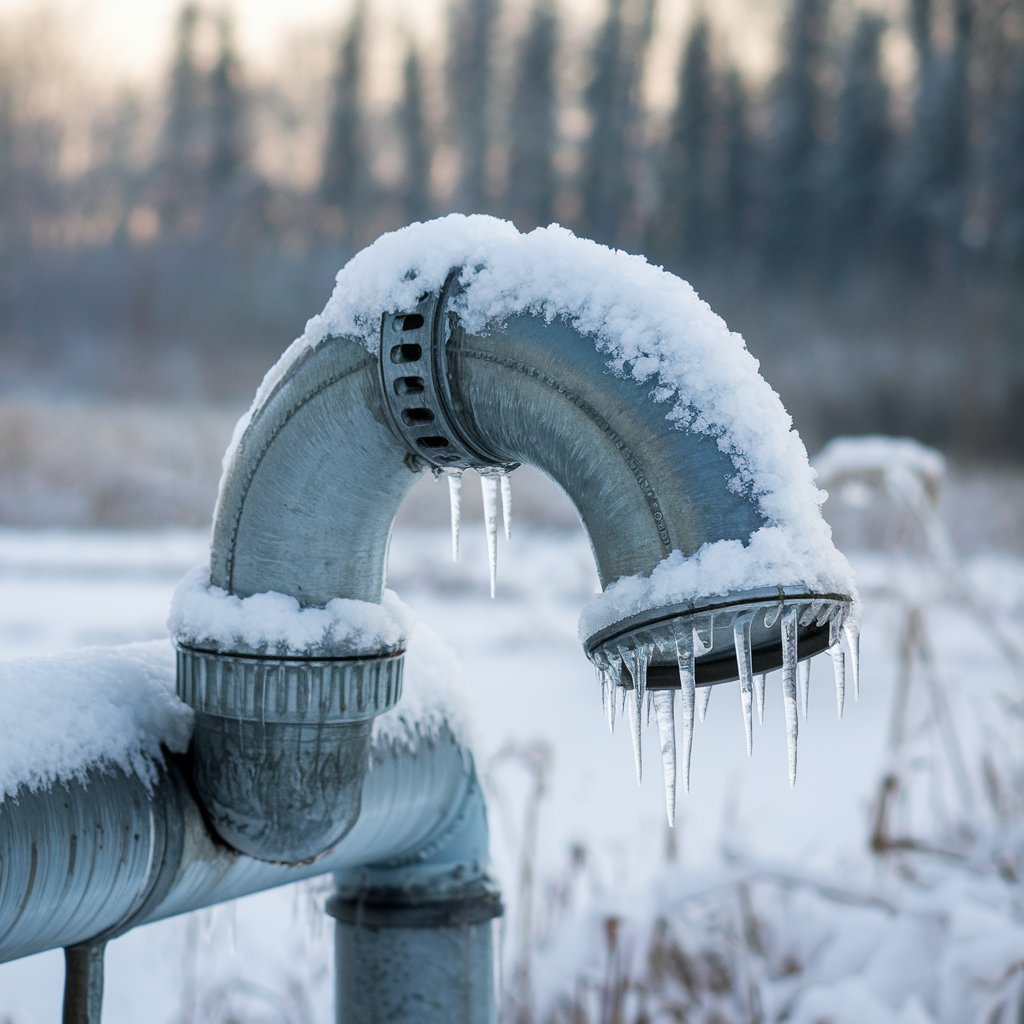
Understanding the impact of faucet materials and implementing effective maintenance strategies can lead to considerable savings in repair costs and guarantee the smooth operation of plumbing systems over time.
Lifespan of Toilets
In evaluating the lifespan of toilets, several vital factors come into play, including the materials used, the quality of manufacturing, and the frequency of maintenance. On average, a well-constructed toilet can last anywhere from 20 to 50 years. The longevity of these essential fixtures largely depends on the material, with porcelain being the most durable, offering resistance against wear and tear over time.
Modern toilets often incorporate more complex mechanisms, requiring regular toilet maintenance to guarantee peak functionality. Persistent flushing issues can markedly reduce the lifespan of toilets, as unresolved problems may lead to more extensive damage, such as leaks or structural deterioration. Addressing these concerns promptly is essential, not only to extend the lifespan but also to maintain water efficiency and prevent waste.
Regular inspections and timely repairs of components like flappers, fill valves, and seals can mitigate potential flushing issues. Furthermore, advancements in toilet technology, such as dual-flush systems and low-flow designs, contribute to both the sustainability and longevity of the fixture.
Choosing high-quality products and adhering to a consistent toilet maintenance schedule can effectively maximize the lifespan of toilets, assuring reliable performance for many years.
Showerheads and Longevity
Showerheads, integral to the bathing experience, have a varied lifespan that depends on factors such as material quality, usage frequency, and maintenance practices. Typically, showerheads are designed to last between six to ten years.
However, this duration can be affected by the type of showerhead materials used. For instance, those made from corrosion-resistant metals like stainless steel or brass often demonstrate greater durability compared to their plastic counterparts.
Showerhead maintenance plays a vital role in extending the fixture's lifespan. Regular cleaning to remove mineral buildup, commonly stemming from hard water, is necessary. This not only guarantees a consistent spray pattern but also prevents internal damage over time.
Periodic checks for leaks or reduced water pressure can also help identify issues early, allowing for timely repairs or replacements. It is advisable to clean the showerhead at least once every few months using vinegar or a specialized cleaner to dissolve mineral deposits effectively.
Ultimately, investing in a high-quality showerhead and adhering to routine maintenance can greatly prolong its functionality. By understanding and addressing the factors influencing a showerhead's longevity, homeowners can guarantee a consistently pleasant and efficient bathing experience.
Water Heater Lifespan
A essential component of any household plumbing system, water heaters have an expected lifespan ranging from eight to twelve years. This duration can vary depending on several factors, including the type of water heater, maintenance practices, and water quality.
Regular maintenance is imperative to prolong the lifespan, enhance energy efficiency, and guarantee peak performance. Homeowners should be vigilant in identifying signs of deterioration, such as inconsistent water temperature or strange noises, to address issues promptly and avoid costly repairs or replacements.
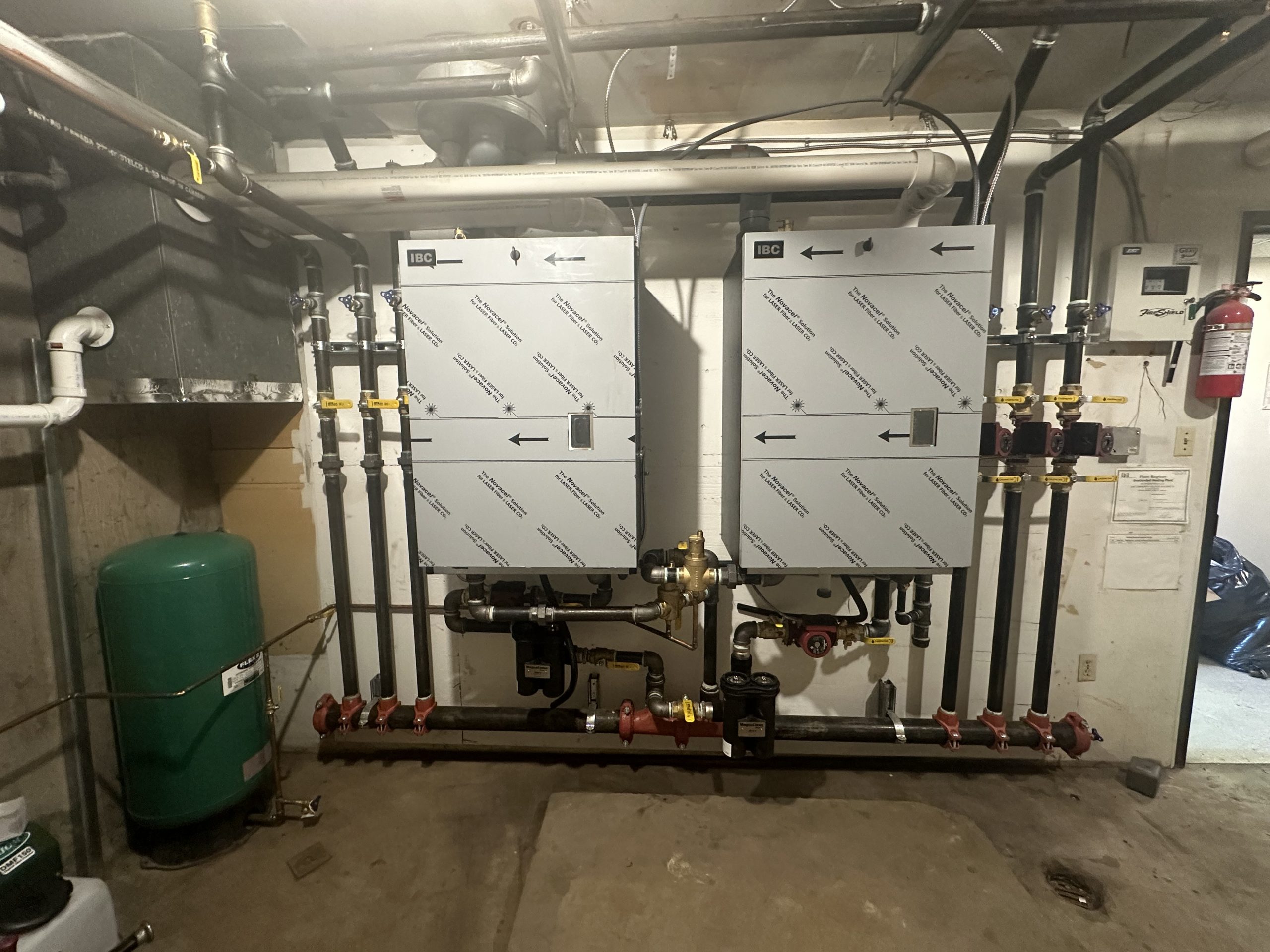
To maximize the longevity and efficiency of a water heater, consider the following maintenance tips:
- Inspect the Anode Rod****: Regularly check the anode rod, a key component that prevents rust and corrosion, and replace it if necessary. Flush the Tank Annually: Remove sediment buildup by flushing the tank once a year, improving efficiency and extending the unit's life. Check the Temperature Setting****: Set the thermostat at a safe level, typically around 120°F, balancing comfort and energy savings. Insulate the Heater: Use insulation blankets to reduce heat loss and increase energy efficiency. Monitor for Leaks: Regularly inspect for leaks and address them immediately to prevent extensive damage.
Pipes and Tubing Duration
Understanding the lifespan of pipes and tubing is vital for maintaining an efficient and reliable plumbing system. Various pipe materials, including copper, PVC, PEX, and galvanized steel, offer different durability and longevity, greatly impacting a plumbing system's overall lifespan.
Copper pipes, known for their long-lasting nature, can last up to 50 years or more, providing excellent resistance to corrosion. PVC pipes, commonly used for drainage, typically have a lifespan of 25 to 40 years, while PEX tubing, known for its flexibility and ease of installation, offers a service life of 40 to 50 years.
Galvanized steel pipes, once a popular choice, generally last about 20 to 50 years, though they are susceptible to corrosion over time. Tubing maintenance plays a vital role in prolonging the lifespan of these materials. Regular inspections and timely repairs can prevent leaks and major failures, guaranteeing the system remains functional for its expected duration.
Moreover, understanding the water quality and pressure within the system can aid in selecting the most appropriate pipe materials, reducing the risk of premature deterioration. By focusing on these aspects, homeowners and professionals can guarantee the longevity and reliability of their plumbing infrastructure.
Garbage Disposal Lifespan
The lifespan of a garbage disposal unit is a critical factor for homeowners seeking to maintain an efficient kitchen environment. Typically, garbage disposals last between 8 to 15 years, depending on usage frequency and maintenance practices.
Regular maintenance can greatly extend the functional duration of these devices. Simple maintenance tips include ensuring only appropriate waste types are processed and avoiding overloading the unit. Conduct routine cleaning with baking soda and vinegar to prevent odors and buildup.
Understanding a troubleshooting guide is essential when issues arise. Common problems such as clogs or unusual noises can often be resolved without professional help. Regular inspection of the unit's components can preemptively catch wear and tear, further prolonging its lifespan.
Key aspects to keep in mind for extending the garbage disposal's life include:
- Avoiding hard materials: Bones and fibrous foods can damage blades. Using cold water: Helps solidify grease and flush waste efficiently. Running the disposal regularly: Keeps parts moving and reduces rust. Periodic cleaning: Prevents buildup and maintains performance. Regular maintenance checks: Identifies potential issues early.
Conclusion
In the symphony of domestic infrastructure, plumbing fixtures serve as the unsung instruments, each with its own lifespan and maintenance requirements. Faucets, toilets, showerheads, water heaters, pipes, and garbage disposals each play a crucial role, with durability shaped by material and usage. Understanding the expected longevity of these components guarantees efficient resource management and https://tmkplumbing.ca/water-heaters/ timely replacements, akin to tuning an orchestra for peak performance. This knowledge empowers property owners to maintain harmony within their living spaces, avoiding unnecessary disruptions.
