Burst pipes often result from freezing temperatures, high water pressure, poor installation, corrosion, and blockages. Freezing causes expansion in uninsulated pipes, so insulating and allowing faucets to drip can help prevent bursts. High water pressure and water hammer stress pipes, mitigated by installing a pressure regulator and water hammer arrestors. Corrosion deteriorates metal pipes over time; using corrosion-resistant materials and water treatment can minimize damage. Poor installation increases failure risks, emphasizing the need for professional services. Blockages from debris increase pressure and should be addressed through regular inspections and proper waste disposal practices. For a thorough understanding, expanding on these factors will prove beneficial.
Key Takeaways
- Freezing temperatures can cause burst pipes; use insulation and let faucets drip to prevent freezing. High water pressure strains pipes; install pressure regulators and water hammer arrestors to maintain safe levels. Corrosion weakens pipes; use corrosion-resistant materials and water treatment solutions to extend lifespan. Soil erosion and ground movement can burst pipes; ensure proper drainage and flexible materials to mitigate risks. Clogs increase pressure and risk bursts; perform regular inspections and use drain screens to prevent blockages.
Freezing Temperatures
Freezing temperatures are a primary culprit in causing burst pipes, especially in regions experiencing harsh winter conditions. When water freezes within pipes, it expands, exerting significant pressure on the pipe walls. This pressure can lead to cracks or complete ruptures, resulting in costly damage and potential water loss.
Understanding how to prevent frozen pipes is essential for homeowners, particularly in areas prone to severe cold snaps.
One effective way to combat the threat of frozen pipes is through proper insulation techniques. Insulating pipes, especially those located in unheated areas such as basements, attics, and garages, helps maintain a temperature above freezing.
Materials such as foam rubber or fiberglass sleeves are commonly used to encase pipes, providing a protective barrier against the cold. Additionally, sealing any gaps or cracks in walls and foundations reduces drafts that could exacerbate freezing conditions.
Furthermore, maintaining a consistent indoor temperature and allowing faucets to drip during extreme cold can prevent freezing. By keeping water moving, the likelihood of ice formation decreases.
These practical measures, combined with strategic insulation techniques, are important in safeguarding plumbing systems against the detrimental effects of freezing temperatures, ensuring both functionality and longevity.
High Water Pressure
While freezing temperatures pose a significant risk to plumbing systems, another common cause of burst pipes is high water pressure. Excessive pressure can strain pipes, joints, and fixtures, leading to potential ruptures. Proper pressure regulation is essential in maintaining a safe and efficient plumbing system.
One major issue associated with high water pressure is the phenomenon known as "water hammer," which creates a shockwave through pipes when water flow is suddenly halted. This repeated stress can weaken pipe integrity over time.
To prevent high water pressure from causing pipe bursts, homeowners should consider the following measures:
Install a pressure regulator****: This device helps maintain water pressure within safe limits, reducing stress on pipe systems.
Check water pressure regularly: Use a pressure gauge to monitor your home's water pressure; ideally, it should be between 40 and 60 psi.
Address water hammer issues: Install water hammer arrestors or air chambers to absorb the shock and reduce stress on pipes.
Corrosion
Corrosion, a gradual but relentless process, is another common cause of burst pipes. Over time, the interior surfaces of metal pipes, especially those made of steel or iron, are susceptible to chemical reactions with water and environmental elements. This interaction leads to rust buildup, which weakens the pipe's structural integrity.
As the rust accumulates, it reduces the pipe's internal diameter, increasing the pressure inside and eventually contributing to potential bursts.
The pipe lifespan is greatly affected by corrosion, as the constant degradation of metal can lead to unexpected failures. Factors such as water acidity, oxygen levels, and the presence of certain minerals can accelerate the corrosion process. In older plumbing systems, the risk is heightened due to prolonged exposure to these elements and outdated materials.
To mitigate corrosion, regular maintenance and inspection of plumbing systems are essential. Employing corrosion-resistant materials, such as copper or plastic, when replacing or installing pipes can extend the pipe lifespan.
Additionally, water treatment solutions that manage pH levels and reduce mineral content can help minimize rust buildup. By addressing corrosion proactively, homeowners and businesses can prevent the costly and damaging consequences of burst pipes.
Tree Root Intrusion
One significant factor contributing to burst pipes is tree root intrusion. This phenomenon occurs when tree roots seek moisture and nutrients, infiltrating pipes and causing substantial damage.
Certain tree species, such as willow, poplar, and silver maple, are notorious for aggressive root growth, posing a higher risk to underground plumbing. These roots can penetrate small cracks or joints in pipes, eventually expanding and leading to blockages or ruptures.
To mitigate the risk of tree root intrusion and preserve the integrity of your plumbing system, consider the following preventive measures:
Select Appropriate Tree Species: Choose trees with less aggressive root systems, such as dogwood, crabapple, or certain species of spruce. This reduces the likelihood of roots encroaching on your pipes.
Strategic Planting: Plant trees at a safe distance from pipelines. Consulting with a landscaping professional can help determine the ideal distance based on root growth patterns and pipe location.
Regular Maintenance: Conduct periodic inspections and maintenance of your plumbing system. This includes using specialized tools to detect and remove potential root intrusions before they cause significant damage.
Poor Pipe Installation
In addition to natural disruptions like tree root intrusion, improper pipe installation stands as a significant contributor to burst pipes. Poor pipe alignment and substandard installation techniques can lead to undue stress on piping systems, eventually culminating in catastrophic failures. Confirming that pipes are properly aligned during installation is essential; misaligned pipes can create weak points that are more susceptible to pressure fluctuations and environmental changes. Similarly, incorrect installation techniques, such as inadequate joint sealing or improper pipe support, can exacerbate these vulnerabilities.
To better understand the vital aspects of proper pipe installation, consider the following table:
| Key Aspect | Importance | Common Mistakes | |-----------------------|-------------------------------------|-------------------------| | Pipe Alignment | Guarantees even pressure distribution | Misalignment | | Installation Techniques| Provides structural integrity | Inadequate joint sealing| | Pipe Support | Prevents sagging and stress | Lack of support |
Each of these elements plays a pivotal role in maintaining the longevity and reliability of a plumbing system. Investing in professional installation services can mitigate the risk of burst pipes by confirming adherence to industry standards. Homeowners and property managers should prioritize the use of skilled professionals who are knowledgeable about proper installation techniques and pipe alignment to safeguard against potential water damage and costly repairs.
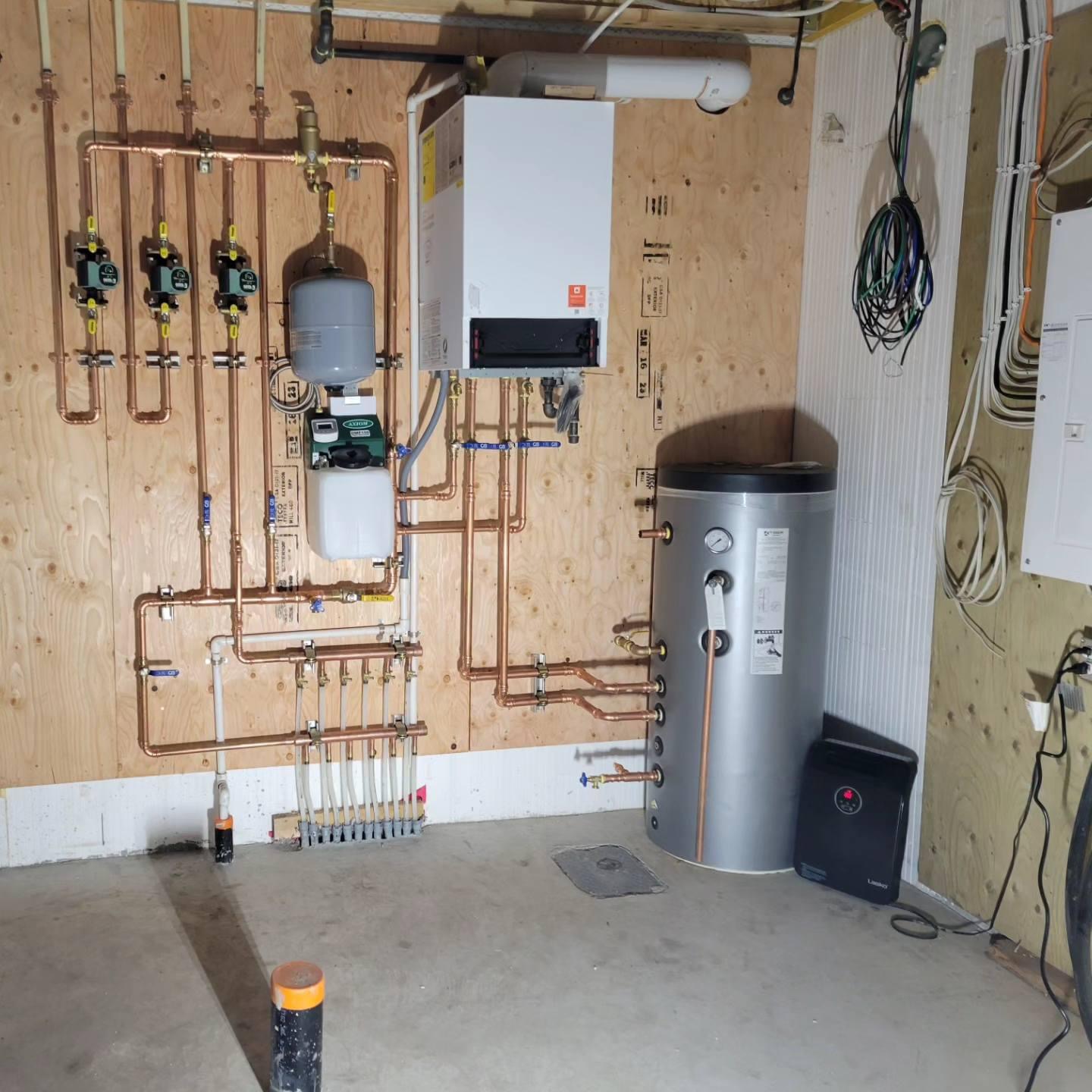
Aging Plumbing Systems
As plumbing systems age, they often begin to show signs of wear and deterioration, which can considerably increase the risk of pipe bursts.
Older systems are frequently constructed with outdated pipe materials that may corrode or degrade over time. Materials like galvanized steel or lead, common in older homes, are particularly susceptible to damage and should be replaced with modern alternatives such as PVC or copper.
To address these issues and prevent costly repairs, regular plumbing inspections are essential.
To effectively manage aging plumbing systems, consider the following steps:
Identify Pipe Materials: Determine the type of materials used in your plumbing system. This knowledge will help assess their longevity and the likelihood of failure. If outdated materials are identified, replacement should be prioritized.
Schedule Regular Plumbing Inspections: Routine inspections can uncover potential problems before they escalate. Professionals can identify weak spots, leaks, or corroded pipes, allowing for timely intervention.
Plan for Upgrades: Prepare for eventual upgrades to the system. This includes budgeting for replacements and understanding which parts of the system are most vulnerable.
Ground Movement
Shifting soil and ground movement can pose significant threats to plumbing systems, often leading https://tmkplumbing.ca/leak-detection-and-repair/ to unexpected pipe bursts. The stability of the ground surrounding pipes is vital for their integrity. When soil erosion occurs, it can remove the supporting material around pipes, leaving them vulnerable to damage. This erosion may be caused by excessive rain, flooding, or poor drainage systems, all of which can wash away the soil that stabilizes the pipes.
Moreover, seismic activity, even at low levels, can cause the ground to shift sufficiently to stress and fracture pipes. Regions with a history of earthquakes or tremors are particularly susceptible to this risk. The pressure changes and ground vibrations associated with seismic events may cause pipes to shift or crack, resulting in leaks or bursts.
To mitigate these risks, it is important to guarantee proper drainage systems are in place to prevent soil erosion. Additionally, installing flexible pipe materials and fittings can help absorb some of the stresses caused by ground movement.
Regular inspections and maintenance can also detect potential vulnerabilities early, allowing for necessary reinforcements or adjustments to be made before significant damage occurs. By understanding and addressing these factors, homeowners can better protect their plumbing infrastructure.
Clogs and Blockages
Beyond the threats posed by ground movement, clogs and blockages represent another important risk to the integrity of plumbing systems.
These obstructions can occur due to the accumulation of debris, grease, or foreign objects within the pipes, which can lead to increased pressure and eventual pipe bursts.
To mitigate these risks, it is essential to implement effective pipe cleaning and drainage solutions that guarantee the smooth operation of your plumbing system.
Here are three key strategies to prevent clogs and blockages:
Regular Maintenance: Schedule routine inspections and maintenance to identify potential issues before they escalate. This proactive approach can help detect early signs of clogs, allowing for timely intervention.
Proper Disposal: Educate household members about appropriate waste disposal practices. Avoid flushing non-biodegradable items and grease down the drains, as these can contribute to blockages.
Use of Drain Screens: Install screens over drains to catch debris and prevent them from entering the plumbing system. This simple yet effective measure can greatly reduce the likelihood of clogs.
Chemical Drain Cleaners
How effective are chemical drain cleaners in maintaining the integrity of plumbing systems?
Chemical drain cleaners are popular for their ability to dissolve clogs quickly. They work through powerful chemical reactions that break down organic matter and other obstructions. However, while effective in clearing blockages, these chemical reactions can have detrimental effects on pipe materials.
Most chemical drain cleaners contain corrosive substances such as sodium hydroxide or sulfuric acid. These chemicals can cause significant damage to pipes, especially older systems made of materials like galvanized steel or copper, which are more susceptible to corrosion.
Over time, repeated use of these cleaners can lead to thinning of the pipe walls, increasing the risk of leaks and eventual bursting.
Moreover, the heat generated during these chemical reactions can further stress the pipes, particularly if they are composed of PVC or other plastic materials. This heat can soften or warp the pipes, leading to structural instability.
Preventative Maintenance Tips
Preventative maintenance plays an essential role in extending the lifespan of plumbing systems and minimizing the risk of burst pipes. By implementing consistent practices, homeowners can identify potential issues before they escalate, saving both time and money. Key strategies include regular inspections, seasonal checks, and proactive repairs.
Regular Inspections: Conducting routine inspections of your plumbing system guarantees early detection of leaks, corrosion, or other issues that could lead to burst pipes. Engaging a professional plumber annually to examine the system can uncover hidden vulnerabilities.
Seasonal Checks: As temperatures fluctuate, seasonal checks become vital. In colder months, inspect pipes for insulation adequacy to prevent freezing. During warmer periods, check for expansion or contraction that could compromise pipe integrity. Addressing these seasonal changes helps maintain a stable system.
Proactive Repairs: Small leaks or weak joints should not be ignored. Prompt repairs can prevent minor issues from developing into significant bursts. Utilizing professional services to address these concerns guarantees that all repairs are done to the highest standards.
Incorporating these preventative maintenance tips into your routine not only enhances the reliability of your plumbing system but also provides peace of mind, knowing that your home is safeguarded against unexpected plumbing failures.
Conclusion
In the grand theater of plumbing, burst pipes emerge as the star performers, delighting audiences with their dramatic flair. Freezing temperatures, high water pressure, corrosion, and tree root intrusion all vie for supporting roles, each contributing to the spectacle. Poor pipe installation, clogs, and chemical drain cleaners make cameo appearances, ensuring the plot remains unpredictable. However, the true unsung hero is preventative maintenance, quietly working behind the scenes to prevent these aquatic dramas from reaching a climactic finale.
