Preparing your sump pump for Alberta's spring thaw involves several vital steps to guarantee effective operation and prevent flooding. Begin with a detailed inspection for wear, damage, and obstructions in the sump pit. Test the pump by filling the pit with water to check its activation and shutdown. Disconnect the power supply before cleaning the pump and pit to remove debris, assuring efficient water flow. Additionally, inspect the discharge line for blockages and verify that it directs water safely away from your home's foundation. Consider installing a backup system for added security against power outages, promising extensive protection when needed most.
Key Takeaways
- Inspect the sump pump for wear, damage, and ensure the sump pit is free of debris. Test the pump's operation by filling the pit with water to check performance and automatic shut-off. Clean the pump, intake screen, and impeller to maintain efficient water flow. Check the discharge line for blockages, leaks, and ensure it's insulated against freezing. Install a backup system to ensure pump operation during power outages or pump failures.
Inspect the Sump Pump
As the spring thaw approaches, it's essential to thoroughly inspect your sump pump to verify it functions at its best when needed. Proper sump pump maintenance is important for making sure your home remains dry and protected from potential flooding.
Begin by visually examining the sump pump and its components, checking for any visible signs of wear or damage, such as cracks or corrosion. This visual inspection can help identify issues that might impede the pump's performance during critical times.
Regular sump pump maintenance also involves cleaning the sump pit, which can accumulate debris over time. Remove any obstructions that could hinder the pump's operation.
Inspect the power source to verify the pump is plugged in securely and that the power cord is not frayed or damaged. Confirming the electrical connections are intact is a key step in spring preparedness.
Additionally, examining the discharge line for any blockages or freezing is important, as these can prevent the pump from effectively removing water. Clear away any debris and confirm that the line directs water at a safe distance from your home's foundation.
Test the Pump's Operation
To guarantee your sump pump is ready for the demands of spring, testing its operation is an important step.
Begin by unplugging the pump and examining the power cord for any visible damage. Plug it back in and verify the electrical connection is secure.
Next, fill the sump pit with water, either from a hose or bucket, until the float switch activates the pump. Observe the pump's performance—confirm it efficiently discharges water from the pit and automatically shuts off once the water level drops below the threshold.
Pay close attention to unusual sounds or vibrations, as these may indicate issues requiring further pump maintenance. Additionally, inspect the discharge line for any obstructions, as a clogged line could hinder the pump's effectiveness.
Confirming the sump pump's proper functionality is essential for spring readiness, as Alberta's thawing season can bring significant water flow to your basement.
Regular testing not only confirms operational status but also prolongs the lifespan of your pump. By addressing potential issues early, you can mitigate the risk of basement flooding and maintain the integrity of your home's foundation.
Prioritizing this step is important for a worry-free spring.
Clean the Pump and Pit
Having confirmed the sump pump's operational efficiency, the next step is to guarantee it remains in optimal condition by cleaning both the pump and the pit. Sump maintenance is essential for preventing blockages and maintaining peak performance.
Begin by disconnecting the power supply to avoid electrical hazards during the cleaning process. Carefully remove the pump from the pit, taking note of its position for accurate reinstallation.
Thorough pit cleaning is vital. Debris, sludge, and sediment can accumulate over time, potentially obstructing the pump's function. Use a wet-dry vacuum or a small bucket to remove any standing water and debris from the sump pit. A clean pit minimizes wear and tear on the pump, enhancing its longevity and reliability.
Once the pit is clear, focus on the pump itself. Inspect the intake screen and impeller for clogs, cleaning them with a soft brush if necessary. This guarantees unimpeded water flow, maintaining the pump's efficiency.
Check all moving parts for signs of wear, replacing any components if needed. After thoroughly cleaning and https://tmkplumbing.ca/plumbing-tips/ inspecting, carefully reinstall the pump into the pit, ensuring it is securely and correctly positioned before restoring power.
Check the Discharge Line
Ensuring the discharge line is in ideal condition is a critical step in sump pump maintenance. It serves as the pathway for water to be expelled from your home, making its efficiency paramount. A thorough inspection should be conducted to check for any obstructions or damage that could impede water flow. Obstructions such as debris or ice can block the line, causing water to back up and potentially flood your basement.
Regular discharge maintenance helps prevent these issues, guaranteeing seamless operation during the spring thaw.
Begin by visually inspecting the entire length of the discharge line for any visible signs of wear or damage. Look for cracks or leaks that could compromise the line's integrity. During colder months, ice accumulation can pose a significant risk, so verify the line is properly insulated to prevent freezing.
Additionally, confirm that the discharge outlet is positioned at an adequate distance from your home's foundation to prevent water from recycling back into the sump pit.
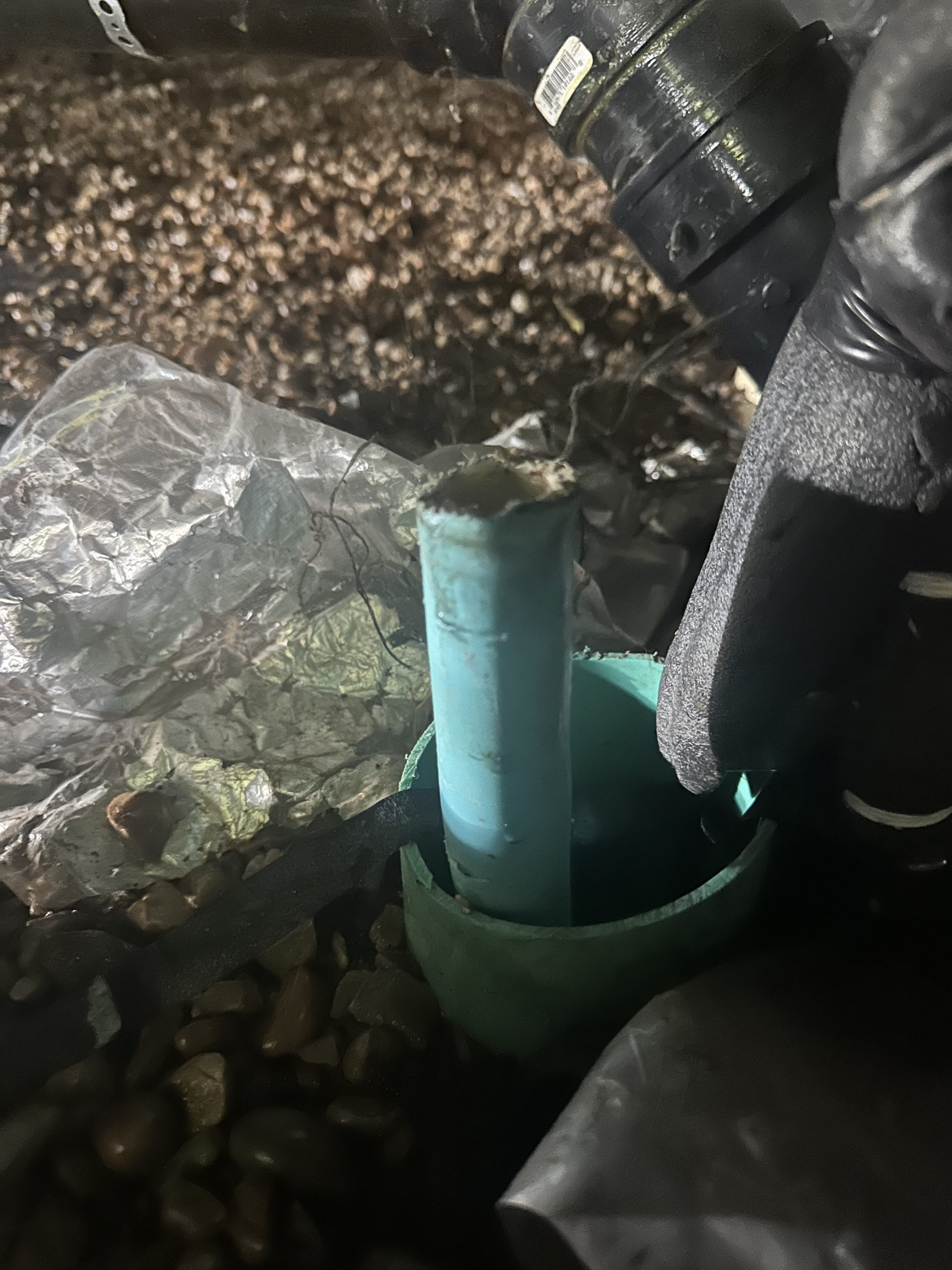
Incorporating these measures into your routine discharge maintenance not only enhances the water flow efficiency but also prolongs the life of your sump pump system, safeguarding your home against potential water damage.
Install a Backup System
A backup system for your sump pump is an important safeguard against unexpected power outages or primary pump failures. In Alberta, where spring thaw can lead to rapid snowmelt and potential flooding, the reliability of your sump pump is vital.
Installing a battery backup system guarantees continued operation even during electrical outages, a common occurrence during severe weather conditions. This system automatically activates when the primary pump loses power, providing peace of mind and protecting your home from water damage.
Moreover, incorporating a dual pump setup offers an additional layer of security. This involves installing a secondary pump alongside the primary one, which can handle increased water flow during peak periods, such as heavy rainfalls or snowmelt.
The dual pump system guarantees that if one pump fails or becomes overwhelmed, the second pump can take over, maintaining efficient water removal from your basement or crawl space.
When selecting a backup system, consider factors such as battery life, pump capacity, and ease of maintenance. Investing in a reliable battery backup and dual pump setup is a proactive step towards safeguarding your property from potential water damage during Alberta's unpredictable spring thaw.
Conclusion
Ensuring that sump pumps are ready for Alberta's spring thaw is essential to prevent potential flooding disasters. By meticulously inspecting the pump, testing its operation, cleaning the pump and pit, and checking the discharge line, the risk of water damage can be greatly minimized. In addition, installing a backup system provides an additional layer of security. This thorough preparation transforms a potential deluge into a mere trickle, safeguarding homes from the inevitable challenges posed by the thawing season.
