To detect plumbing leaks early, inspect common sources like faucets, toilets, and hoses for signs of wear, such as water stains or increased water bills. Utilize tools like moisture meters and infrared cameras to identify hidden leaks, or listen for unusual sounds from pipes. Sealant or tape can offer temporary fixes for minor leaks, while replacing damaged pipe sections guarantees durability. Regular maintenance, such as inspecting pipes and checking water pressure, is essential for leak prevention. For persistent issues, professional plumbers equipped with advanced detection technologies are advisable. Uncover more thorough strategies and solutions that guarantee a leak-free plumbing system.
Key Takeaways
- Use moisture meters and infrared cameras to detect hidden plumbing leaks early. Regularly inspect fittings and seals for signs of wear or corrosion. Monitor water bills for unexplained increases indicating potential leaks. Apply sealants or tape to patch small leaks temporarily. Call a professional for persistent leaks or visible mold growth.
Identifying Common Leak Sources
When it comes to identifying common leak sources in plumbing systems, pinpointing the root cause is vital for effective resolution. Plumbing leaks can originate from various components, each requiring a specific approach for detection and repair.
Faucet leaks are often due to worn-out washers or seals, while toilet leaks may arise from faulty flappers or fill valves. Pipe corrosion is a frequent culprit, particularly in older homes, leading to leaks in both visible and hidden areas.
More concealed issues include slab leaks, which occur beneath a concrete foundation and may necessitate professional intervention. Hose bib leaks, often a result of damaged washers or freeze damage, can lead to wasted water if left unattended.
Appliance leaks, such as those from dishwashers or washing machines, typically stem from worn hoses or faulty connections, necessitating regular inspection.
Additionally, irrigation leaks in outdoor systems can result from broken sprinkler heads or cracked pipes, affecting water efficiency. Sewer leaks, though less common, pose significant health hazards and may require video inspection for accurate diagnosis.
Addressing these issues promptly is essential to minimizing damage and ensuring the longevity of the plumbing system. Understanding the potential sources can guide effective maintenance and repair strategies.
Signs of Hidden Water Leaks
Hidden water leaks can manifest through subtle signs that, if not promptly addressed, may lead to extensive damage and costly repairs. Recognizing these indicators is a vital aspect of leak detection and can prevent potential hazards.
One of the primary signs is the unexpected increase in your water bill without a clear explanation. This anomaly often suggests hidden leaks that are consistently using water. Additionally, moisture monitoring within your home can reveal signs of leaks, such as damp or discolored walls, ceilings, or floors, which may indicate water seeping from a compromised pipe.
Another telltale sign of concealed water leakage is the presence of mold or mildew in areas that are not typically exposed to moisture, such as under sinks or behind walls. Mold thrives in damp conditions, making it a reliable indicator of underlying water issues.
- Unexplained water sounds: Hearing running water when all faucets are off. Foul odors: A musty smell can signal water stagnation. Foundation cracks: Shifts in your home's foundation may point to persistent leaks.
Tools for Leak Detection
Accurate leak detection often relies on the use of specialized tools, which can greatly streamline the identification and repair process. These advanced instruments enable homeowners and professionals to pinpoint leaks with precision, ensuring timely intervention and minimizing water damage.
A moisture meter, for instance, is a valuable device that measures moisture levels in walls and floors, indicating potential leak locations.
Thermal imaging and infrared cameras offer another layer of sophistication, detecting temperature variations that may signify water presence behind surfaces. Such technology can reveal hidden leaks without invasive procedures.
Pressure testing is a widely employed method that identifies leaks by monitoring pressure changes within the plumbing system.
Acoustic sensors serve as an effective tool in leak detection, utilizing sound waves to locate leaks through the noise they emit. These sensors can be especially useful in detecting leaks in buried pipes, where traditional methods fall short.
Pipe inspection cameras provide a visual assessment by traversing through pipes, capturing real-time footage of any obstructions or leaks.
Finally, water detectors, strategically placed near potential leak sources, activate alarms when moisture is detected, allowing for prompt action.
Employing these tools enhances the accuracy and efficiency of leak detection efforts.
Quick Fixes for Minor Leaks
For homeowners dealing with minor plumbing leaks, quick fixes can often provide temporary relief and prevent further damage until professional help can be engaged. Understanding the basics of drip detection is essential, as it enables homeowners to identify leaks early and mitigate potential water damage.
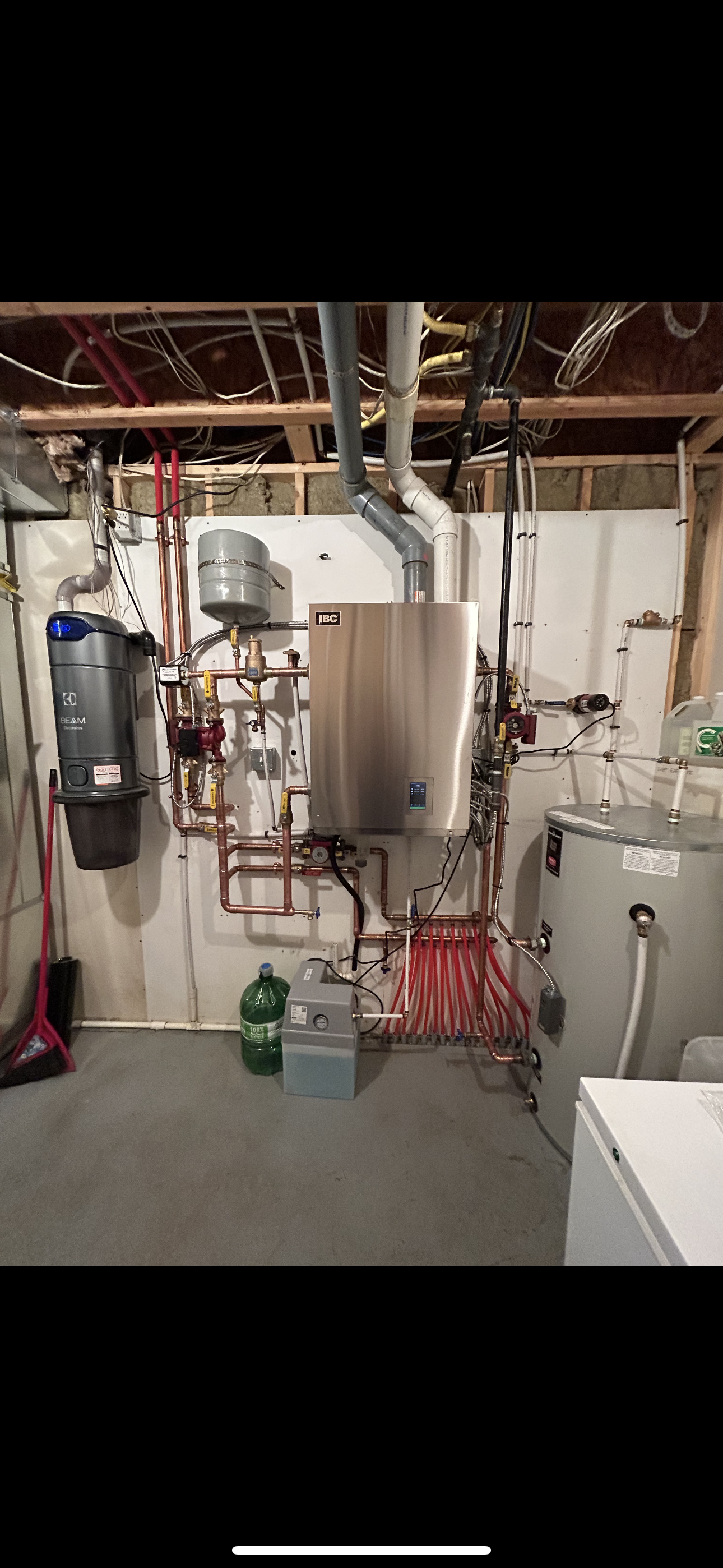
Small leaks, while seemingly insignificant, can escalate into more severe issues if not addressed promptly.
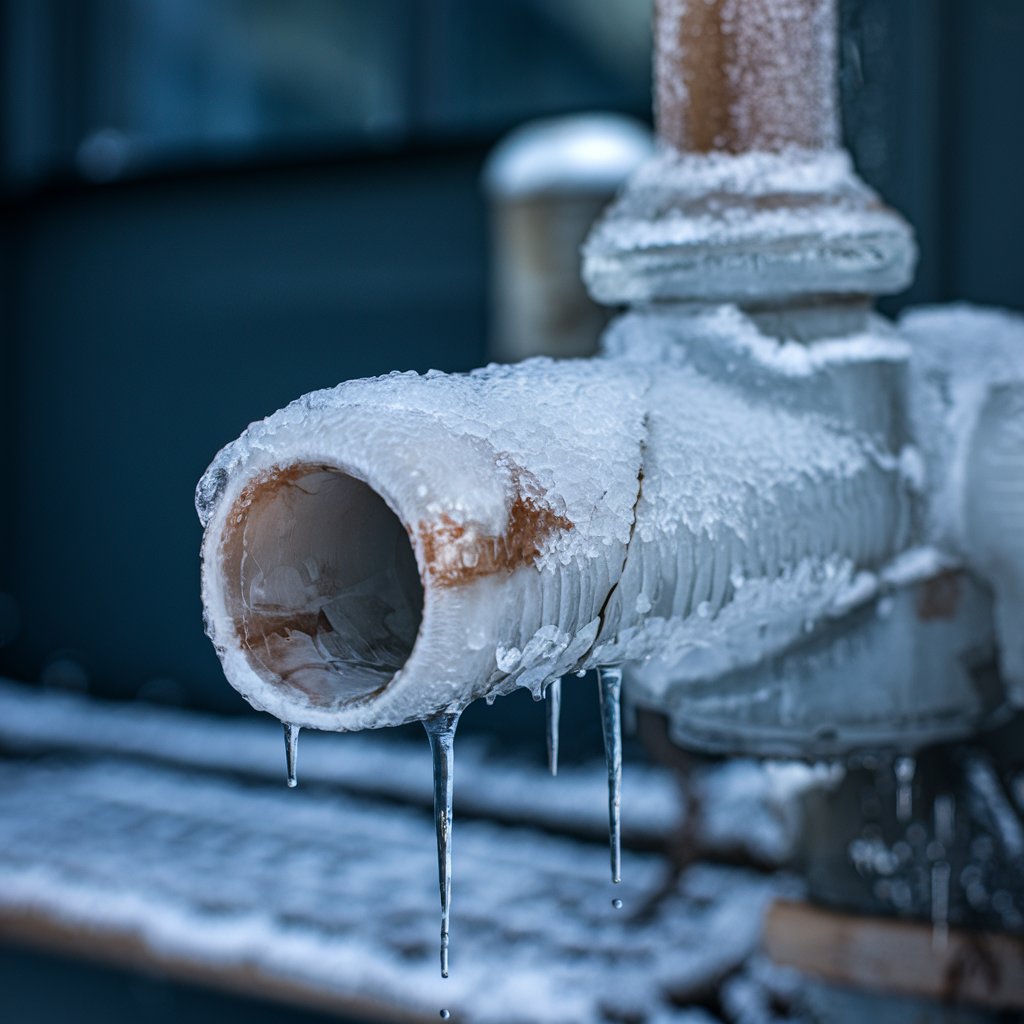
One of the most effective ways to manage minor leaks is through sealant application. This involves using plumbing-specific sealants, which are designed to temporarily stop water flow until more permanent repairs can be made. Sealants are easy to apply and are an ideal quick fix for small leaks around joints and fittings.
Additionally, homeowners can take the following steps to address minor leaks:
- Inspect fittings regularly to confirm they are tight and free from corrosion, which can lead to leaks. Utilize drip detection tools to monitor potential leak areas, such as under sinks and around toilets, for early signs of leakage. Apply sealant as needed to areas where minor drips are detected, confirming a temporary barrier against water escape.
DIY Solutions for Pipe Leaks
Tackling pipe leaks on your own can be a practical and cost-effective approach for many homeowners. Addressing small leaks promptly can prevent extensive damage and reduce water bills. One effective method is to use leak sealants, which are available in various forms such as tapes, pastes, and compounds. These products are designed to seal minor leaks efficiently by forming a watertight barrier around the compromised area.
Before applying any sealant, verify the pipe surface is clean and dry to enhance adhesion.
Another proactive measure is installing pipe insulation. While typically used to prevent freezing, pipe insulation can also reduce the risk of condensation-related leaks by minimizing temperature fluctuations. This https://tmkplumbing.ca/boilers/ simple addition can prolong the lifespan of plumbing systems and improve energy efficiency.
For temporary fixes, self-fusing silicone tape can be wrapped around the leak. This tape bonds to itself and provides a quick, durable seal until a more permanent solution is applied.
Always remember that these DIY solutions are best suited for minor leaks. Regular inspections and maintenance play an essential role in early detection, helping to mitigate potential water damage and maintain the integrity of your plumbing system.
When to Call a Professional
Recognizing when to call a professional plumber can save homeowners from escalating repair costs and extensive damage. While some plumbing issues may initially seem minor, they can often signal underlying problems that require expert intervention.
Leak detection is a critical skill for homeowners, but understanding when a professional assessment is necessary can prevent minor leaks from turning into significant structural concerns.
Consider reaching out to a professional plumber when:
Persistent Leaks: If a leak recurs despite repeated DIY attempts, this may indicate a deeper issue within the plumbing system that requires specialized equipment and expertise.
Sudden Water Pressure Drops****: A noticeable decrease in water pressure can indicate a significant leak or blockage somewhere in the system, necessitating professional evaluation.
Visible Mold or Water Stains *: The appearance of mold or unexplained water stains often suggests *hidden leaks, which can be difficult to locate and repair without professional tools.
Professional plumbers offer the advantage of advanced leak detection technology and a thorough understanding of plumbing systems.
Their assessments can pinpoint the exact source of a problem, guaranteeing timely and effective resolution.
Preventing Future Plumbing Leaks
Preventive measures are the cornerstone of maintaining a leak-free plumbing system. Effective leak prevention strategies begin with regular maintenance routines that guarantee all components are functioning at their best. Regularly inspecting your pipes for signs of corrosion, checking seals around fixtures, and verifying water pressure levels are fundamental practices. A proactive approach not only mitigates potential leaks but also extends the lifespan of your plumbing infrastructure.
Incorporating a schedule for routine check-ups can be invaluable. Consider the following maintenance checklist:
| Maintenance Task | Recommended Frequency | |-------------------------|------------------------| | Inspect pipes for wear | Every 6 months | | Check water pressure | Annually | | Examine appliance seals | Every 3 months | | Clean drainage systems | Every 2 months | | Evaluate water heater | Annually |
Each task is vital in leak prevention, reducing the risk of sudden failures that could lead to costly repairs. Regular maintenance fosters a reliable and efficient plumbing system, guaranteeing your home remains safe and dry.
Furthermore, employing high-quality materials during installations and repairs is essential. Investing in durable pipes and fixtures, while adhering to industry standards, enhances the resilience of your plumbing system. By following these guidelines, you can effectively prevent future leaks and maintain the integrity of your home's plumbing infrastructure.
Conclusion
Like a vigilant sentinel safeguarding a fortress, early detection and swift repair of plumbing leaks serve to protect the integrity of a household. Recognizing common leak sources and employing appropriate tools for detection, one can address minor issues before they escalate. Understanding when to employ DIY solutions and when to summon professional expertise guarantees the best outcomes. Preventative measures, akin to fortifying defenses, further mitigate future risks, maintaining the household's structural sanctity and guaranteeing water flows where it is intended.
