Introduction
In recent years, there has been a noticeable shift in consumer preference towards tankless water heaters. Abandoning traditional storage tanks, homeowners are discovering the many advantages that tankless systems offer. This comprehensive guide will explore the benefits of tankless water heaters, addressing their efficiency, cost-effectiveness, and overall performance. We aim to empower you with knowledge so you can make informed decisions regarding your plumbing needs.
What is a Tankless Water Heater?
A tankless water heater, often referred to as an on-demand https://tmkplumbing.ca/septic-systems/ water heater, heats water directly without the use of a storage tank. When you turn on a hot water tap, cold water travels through a pipe into the unit where it is heated by either gas or electricity. This ensures that you receive an uninterrupted supply of hot water whenever you need it.
How Does a Tankless Water Heater Work?
When considering plumbing in Grande Prairie or anywhere else, understanding how these units operate is crucial. Here's how they function:
Activation: The system activates when a hot water tap is opened. Heating Process: Cold water flows through heat exchangers within the unit. Delivery: Heated water is delivered directly to the faucet or appliance.This straightforward mechanism allows for an endless supply of hot water and reduces standby losses associated with traditional systems.
Exploring the Benefits of Tankless Water Heaters
1. Energy Efficiency
One of the primary benefits of tankless water heaters is their energy efficiency. Unlike traditional systems that continuously heat and store hot water, tankless models only heat what’s necessary when needed.
A Closer Look at Energy Consumption
- Standby Losses: Traditional tanks lose heat even when not in use—this is known as standby loss. On-Demand Heating: Tankless systems avoid this by heating only on demand.
This energy efficiency translates into lower utility bills over time, making them an attractive option for homeowners looking to save money.
2. Space-Saving Design
Tankless water heaters are compact and can be installed in smaller spaces compared to bulky storage tanks.
Installation Flexibility
- Can be mounted on walls Requires less floor space Ideal for homes with limited storage areas
This flexibility makes them suitable for urban living where space can be at a premium.
3. Longer Lifespan
With proper maintenance, tankless water heaters can last up to 20 years—much longer than traditional units which typically last around 10-15 years.
Why Longevity Matters
Investing in a long-lasting system leads to fewer replacements and less hassle over time. It also means reduced waste associated with disposing of old units—a significant consideration in today’s environmentally-conscious society.
Cost Considerations for Tankless Water Heaters
4. Initial Investment vs. Long-Term Savings
The upfront cost of installing a tankless system may be higher than traditional models; however, when evaluating long-term savings on energy bills and longevity, they often prove more economical in the long run.
Breakdown of Costs
| Item | Traditional Heater | Tankless Heater | |----------------------------|-------------------|----------------------| | Purchase Price | $300 - $800 | $800 - $1,500 | | Installation Cost | $100 - $500 | $500 - $1,000 | | Average Lifespan | 10-15 years | 20+ years | | Estimated Annual Energy Cost| High | Low |
5. Available Incentives & Rebates
Many local governments and utility companies offer incentives for upgrading to energy-efficient appliances like tankless heaters.
Research Local Programs
Investing time into finding available rebates can further offset initial costs and enhance your return on investment (ROI).
Environmental Impact of Tankless Systems
6. Reduced Carbon Footprint
Switching to a tankless heater can significantly lower your household's carbon emissions due to their energy efficiency.
Sustainable Living Practices
By choosing a more efficient model:
- You contribute positively toward reducing greenhouse gases. You support sustainable practices in homeownership.
Convenience Factors with Tankless Water Heaters
7. Endless Hot Water Supply
Say goodbye to cold showers during peak usage times! One major advantage is that these systems provide unlimited hot water—ideal for families or households with high demand.
Implications for Family Life
No more scheduling showers or waiting for the hot water tank to refill—everyone gets access whenever they need it!
8. Lower Risk of Running Out of Hot Water
With conventional heaters, running out of hot water during peak hours can be frustrating; however, tankless systems mitigate this problem entirely by heating as required.
Maintenance and Reliability Concerns
9. Minimal Maintenance Required
Although all plumbing services require some level of maintenance, tankless units generally have lower maintenance requirements compared to traditional models.
Easy Upkeep Routine
Regular descaling once or twice a year helps maintain efficiency and extend lifespan—simple steps that any homeowner can manage!
10. Reliable Performance Year-Round
Tankless systems tend to have fewer breakdowns due to less complexity involved in their operation compared to traditional setups prone to leaks and sediment buildup.
FAQ Section
11. What are common issues faced with tankless water heaters?
Some common issues include:
- Inconsistent heating Flow rate limitations Mineral buildup leading to inefficiency
Consider consulting an emergency plumbing service if you're experiencing persistent problems!
12. Do I need professional installation?
Yes! Seeking help from qualified plumbers ensures safety standards are met while maximizing system performance.
13. How much space do I need for installation?
Tankless models require minimal space; consult your plumber about specific measurements based on your home layout.
14. Are there different types available?
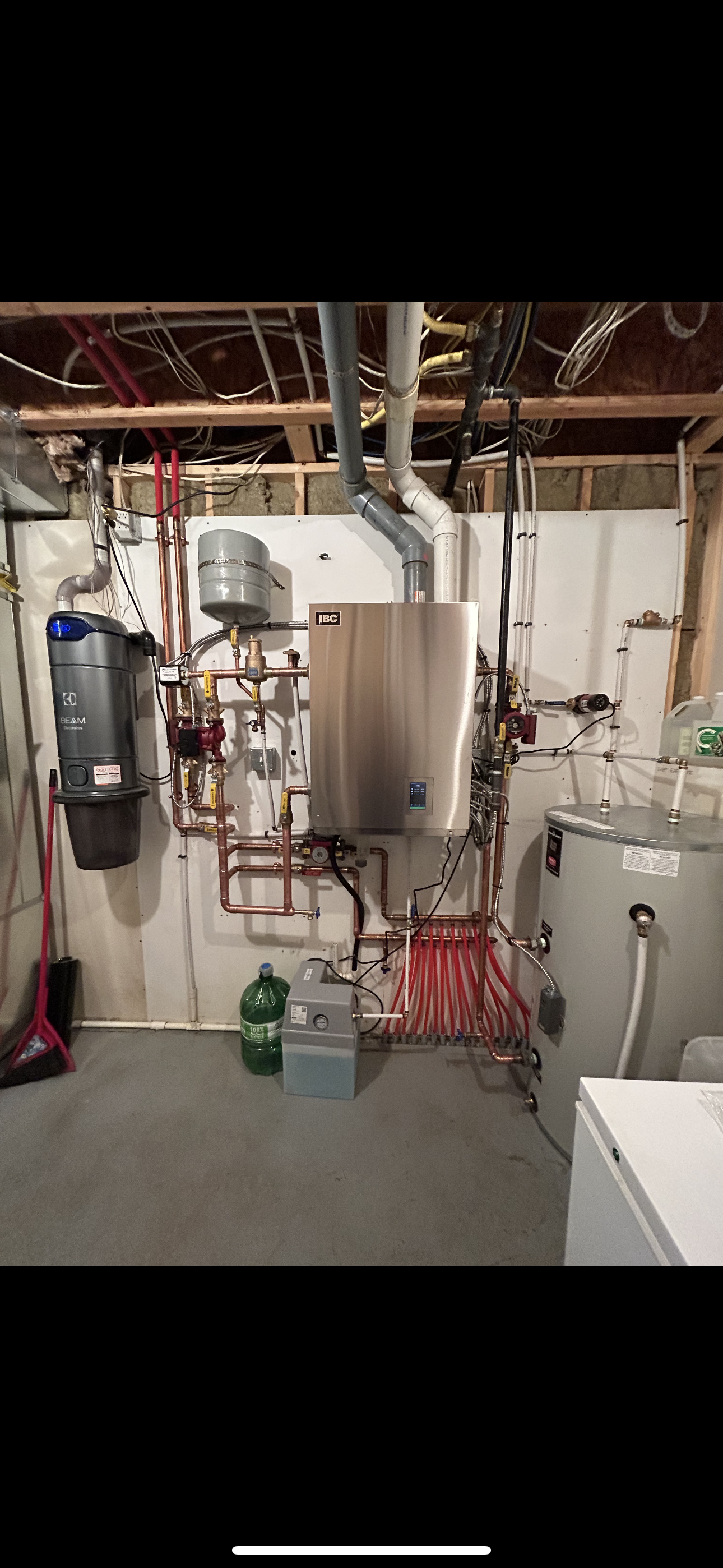
Yes! Options include electric and gas-powered models—each has its advantages based on your specific needs and existing infrastructure.
15. Will my existing plumbing need upgrades?
Depending on your current setup, modifications might be necessary; discussing potential changes during planning stages will ensure smooth installation processes later down the line!
16. Can I install it myself?
While DIY installations may seem appealing initially—and potentially save some cash—it’s highly recommended hiring professionals who specialize in plumbing services knowledgeable about local codes!
Conclusion
In summary, exploring the benefits of tankless water heaters reveals significant advantages over conventional systems—including energy savings, space efficiency, durability longevity along with environmental benefits—all contributing towards making them an exceptional choice for modern households seeking reliable comfort solutions!
Choosing between different options requires careful thought—but remember: investing wisely now could yield tremendous rewards later down life’s journey! Whether you're contemplating new installations or simply curious about upgrade possibilities—the insights within this article should provide clarity going forward! Don't hesitate reaching out local experts if additional queries arise regarding emergency plumbing solutions too!
